How Senior Living Communities Help with Loss of Appetite in Aging
A loss of appetite is often tied to senior fatigue, poor wellness, and low energy levels. Scheduling meals with a focus on senior health and nutrition can help to fight against these issues. Senior living communities prioritize foods that are high in vitamins and schedule meals out at steady, "predictable" times.
Have you been following a diet in your golden years? According to the CDC, more than 17% of all US adults above the age of 20 follow a diet of some kind. But how well do we carry this diet over into our senior years?
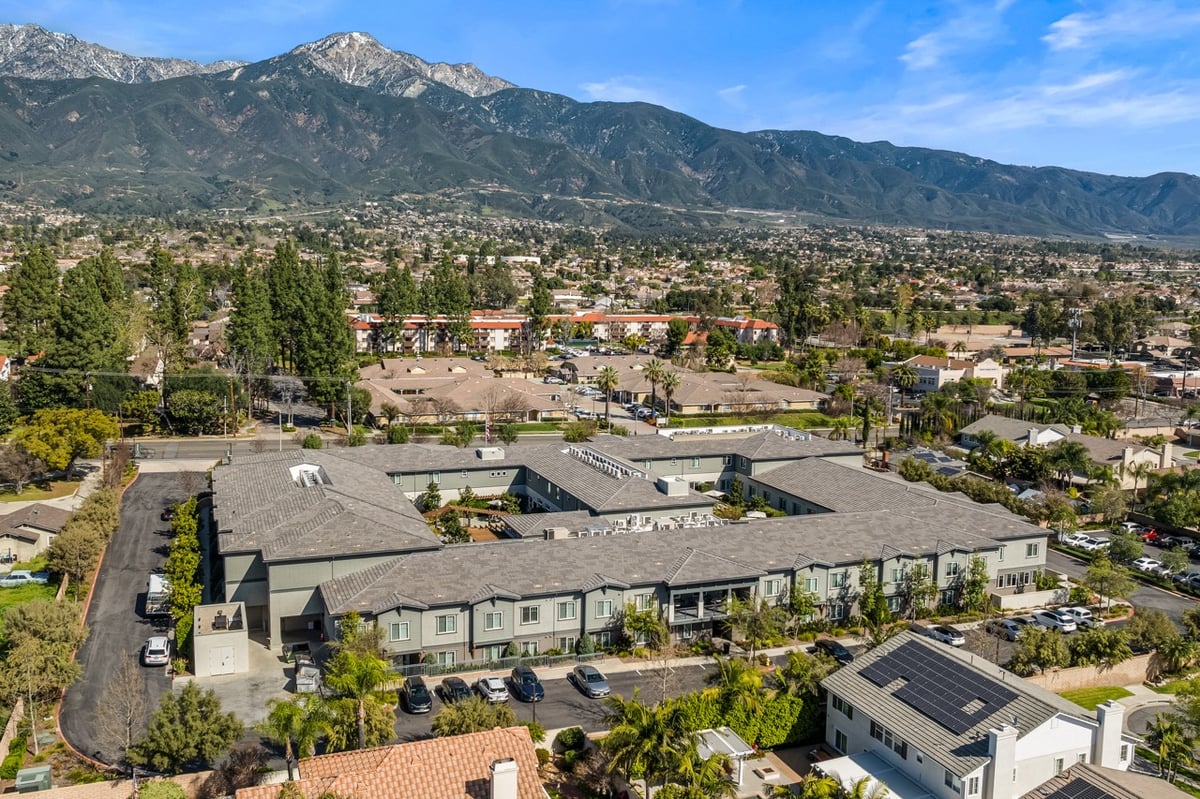
Rancho Cucamonga, CA, is a perfect place to spend your golden years. Whether you're here for our historic Route 66 views, our San Gabriel Mountain vistas, or our rich winery history, we're proud to have you!
If you're curious about how to handle a loss of appetite as a senior, we're here to help. Read on to learn more about emotional wellness and food, as well as how dining support in assisted living can help you get your appetite back.
What's Wrong With a Loss of Appetite?
Why is a loss of appetite a problem? For many, a low appetite means weight loss, or at the very worst, skipping a couple of meals.
Our bodies need a healthy diet to stay running properly. For seniors, this is even more important, as our bodies get just a bit worse at maintaining themselves. A healthy diet can help us keep our bodies working as well as we need them to.
According to the AANMC, chronic fatigue in seniors is usually caused by a lack of nutrient-dense foods. These can cause imbalanced blood sugar, low energy levels, and many other symptoms. Each problem cascades down from a poor or missing diet.
So when you're missing meals, you aren't saving money or trimming down on your caloric intake: you're starving your body of the nutrients it needs.
How Can Assisted Living Teams Help?
How does dining support in assisted living coincide and overlap with senior nutrition tips? In more ways than you might imagine! Here are some of the ways your assisted living community helps with your diet.
Scheduled Meals
One of the best ways you can battle elderly appetite changes is by scheduling out your meals. Doing so will help your body adjust to processing the vitamins and nutrients at a predictable time.
Think of it like your sleep schedule. You rest better when your body and mind are accustomed to going to sleep and waking up at specific times. Your digestive system works the same way, so giving it meals at regular hours is a huge help.
Comprehensive Fitness
Are you finding yourself lethargic or inactive? For many of us, inactivity is what causes a lack of appetite. But how's that work?
When we're physically active, our bodies burn more calories and use more of the nutrients we feed ourselves. As those "supplies" leave, our body notes a need to replace them. But what if we aren't using up those resources?
If you remain inactive or sedentary, your body burns up those resources slowly or wastes them entirely. As such, your body rarely feels the need to "resupply."
Consider scheduling some light aerobic exercise. You can view our amenities to see how we're supporting your physical fitness!
Personalized Nutrition
Just as no two people are alike, no two diets will ever have the same parameters. What works for your neighbor may not work for you.
Why's that? It's simple: you have different bodies! Your body may require different nutrients, burn calories faster, or even have allergies that cut you off from certain diets.
Personalizing your nutrition starts with speaking to your doctor and dietitian. They can help you discover what your body needs most so you can design a diet around battling your loss of appetite.
Afterward, speak to your assisted living community staff about adjusting your diet. Our chef-prepared meals are customizable, and we're proud to help you design meals that will keep you feeling in top shape.
Frequently Asked Questions
How Many Calories Does a Senior Citizen Need?
The caloric needs of any person, regardless of age, are individualized. However, the FDA tends to use certain guidelines when designing diets, meals, and portion sizes.
On average, a senior will need about 2,000-2,400 calories a day. Physically active seniors will need more to maintain a healthy weight.
However, even seniors who aren't very active will still need about this number of calories per day. Our bodies continue to burn calories even if we're stagnant! Speak to your doctor about your body's individual caloric needs.
How Will a Poor Appetite Affect My Health?
A poor appetite will lead to lowered levels of energy and heightened fatigue. Eating isn't just something we do for fun; you're fueling your body with every meal!
Having a poor appetite will discourage you from seeking out healthy meals. Additionally, many of us use our meals as a social hour, taking the time to speak to our friends or meet new people.
Emotional wellness and food are closely linked. A lack of appetite may also lead to a poor social life.
Is a Loss of Appetite Normal on a Diet?
It's not uncommon to lose your appetite on a diet, especially a strict one. We recommend speaking to your doctor or dietician to see how you can alter your diet to leave you excited to eat.
Understanding Emotional Wellness and Food
Fighting against a loss of appetite means understanding the links between emotional wellness and food. Speak to your doctor for customized senior nutrition tips that will help you adjust your diet to precisely what your body needs. Afterward, speak to your assisted living community for aid in battling elderly appetite changes.
We here at Allara Senior Living know there's more to happiness than managing a diet. The Discovery Senior Living family of management companies, which includes our community, earned the distinction of ranking first in Customer Satisfaction Among Assisted Living & Memory Care Communities in a 2025 JD Power study.
Contact us today to see how we can help you add shine to your golden years.