
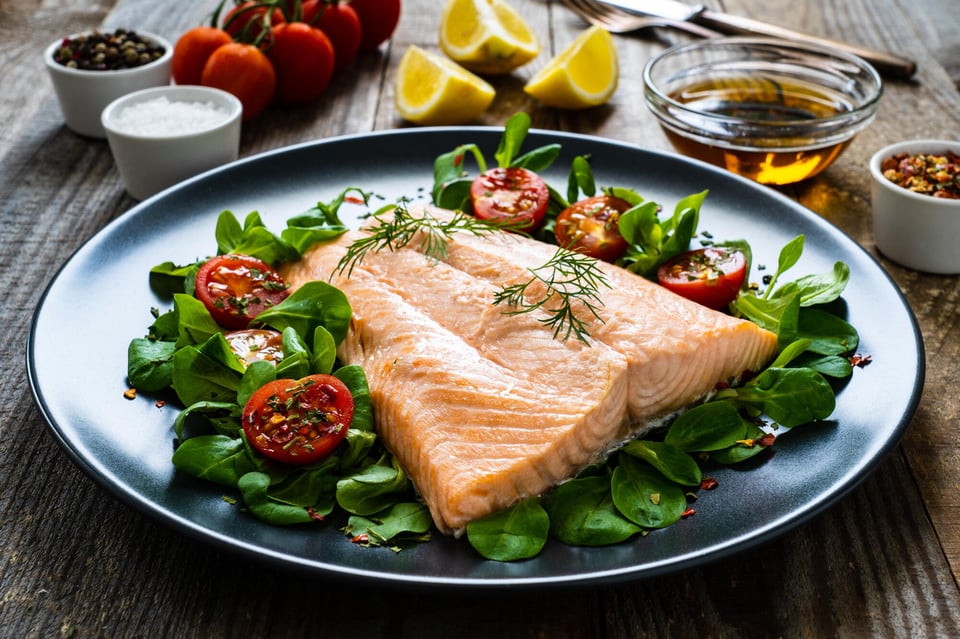
The team at Allara knows the answer to the question, "What are the best foods for brain health that can help seniors preserve memory, focus, and brain cell production?" Therefore, menu items may include leafy greens, fatty fish like salmon, an assortment of berries, and probiotics like yogurt.
According to Harvard Health Publishing, researchers at Harvard's Brigham and Women's Hospital concluded that weekly consumption of at least two servings of blueberries and strawberries delayed the decline in memory up to 2.5 years in women.
Senior community life in Rancho Cucamonga, CA, comes with healthy food and wellness activities that support the brain. This article covers some of the tasty options residents may enjoy to support their mind and body.
What Are the Best Foods for Brain Health?
Fill your plate with a colorful, flavorful assortment of food that includes fatty fish and fresh greens, berries, natural oils, nuts, and seeds. The Omega-3s in salmon, cod, or tuna can help reduce plaque buildup in the brain. They not only contain vitamin C, but they also have antioxidants and flavonoids, which improve memory.
Reduce the onset of cognitive decline by consuming plenty of leafy greens, such as spinach, kale, collard, and mustard greens. These greens contain folate, beta carotene, and vitamin K. Get vitamin E and antioxidants that protect the brain from an assortment of nuts and seeds like sunflower or Chia seeds.
Do you enjoy eating rice and pasta? Switch to brown and whole wheat options that are tasty and contain several grams of fiber on top of additions like lean proteins.
Choosing brain-boosting foods also benefits your gut and heart health. Many of these foods also contain fiber, which is essential to promoting a healthy microbiome.
Once fiber reaches the large intestine, bacteria ferment it, and it provides a protective barrier on your intestinal walls. This protection creates a healthy environment for good bacteria to thrive and produce neurotransmitters that enable better mood and sleep while reducing depression.
What Are Signs You Need More Brain Boosting Food?
Do you sometimes wake up with brain fog that doesn't seem to go away throughout the day? If you're experiencing difficulty remembering important dates, names, or where you put items you frequently use, or have unexplained mood fluctuations, check your diet for signs of nutritional deficiencies.
A lack of vitamin B12, omega-3 fatty acids, and antioxidants, combined with a highly processed diet, can create these issues.
How Does Food Affect Dementia Risk?
Dementia-friendly nutrition may include converting to a Mediterranean diet focused on fruit, vegetables, and lean proteins. According to the National Institute on Aging, some research has found that using the MIND diet, which combines the Mediterranean and DASH diet, can result in an 8% percent lower risk of cognitive decline in women.
What Are Some Healthy Aging Meals to Try?
Boost your yogurt parfait or oatmeal loaded with berries and a spoonful of nuts and seeds. Boost that omelette with some spinach and roasted bell peppers. If you like cheese on your eggs, consider crumbling some low-fat feta.
Instead of loading toast with butter and jam, mash some avocado up and spread it over a slice of toasted grain bread. Skip the bread and use a leaf of lettuce to wrap some tuna salad. Enjoy high fiber, hearty soups made from split peas, lentils, or a combination of vegetables, tomato broth, and wheat pasta in minestrone.
If you enjoy eating burgers, meatloaf, or spaghetti and meatballs, consider using lean turkey or ground chicken instead ofbeef. Vegetables don't always have to be in a salad, as you can blend them into a healthy green smoothie or grill them on a kebab.
Can I Have Some Dessert?
Absolutely! Enjoy a healthy spin on the southern tradition of banana pudding by making it with Greek yogurt and chia seeds. Break off a piece of dark chocolate for a boost of iron, magnesium, fiber, and flavonoids that can help improve blood pressure.
Frequently Asked Questions
What Drink Is Good for Brain Memory?
If you enjoy your morning coffee or evening tea time, you're helping your brain in more ways than you may know. That's because green tea contains caffeine and L-theanine, which help with working memory and focus. While people already know that coffee can help boost alertness when they wake up in the morning, it may help lower the risk of cognitive decline with moderate consumption.
Berries are one of the best things you can eat for your overall brain health, and you can get some of their impact through juice, particularly pomegranate juice, to support your brain cell production.
Why not have your tea fermented by sipping on a cup of kombucha? Thanks to its probiotics, it helps support the vital gut-brain connection that produces neurotransmitters and protects the intestinal wall so it can produce good bacteria.
What Nut You Should Eat for Breakfast to Boost Your Brain?
Boost your brain power by grabbing a handful of walnuts in the morning. According to research by the University of Reading, brain activity recordings noted changes in neural activity after consuming some.
More positive changes in fatty acid and glucose levels in participants were noted after blood tests. Walnuts likely have such an impact thanks to their fatty acids, protein, polyphenols, and omega-3's.
Can Drinking Water Get Rid of Brain Fog?
Water is just as important as food to feed your brain. That's because without enough water, your body can get dehydrated, which can cause mental confusion, dizziness, and fatigue. Most experts recommend drinking at least eight 8-ounce glasses daily, but on hot days, you may need more than that.
Prioritize Senior Nutrition for Memory
Knowing the answer to the question "What are the best foods for brain health?" can help support thriving twilight years. Cognitive support diets can include a range of colorful, vitamin-packed foods from fatty fish to whole grains to avocados to even dark chocolate.
With dining programs like Chef's Academy, Elevate® Inspires, Culinary Keepsakes, and Traditions to Table, residents not only have access to fresh dietitian-approved food but can also learn about food from a cultural perspective, share personal recipes, and engage with the local community. If you're ready to join a community that supports your aging brain wellness, reach out to Allara today.